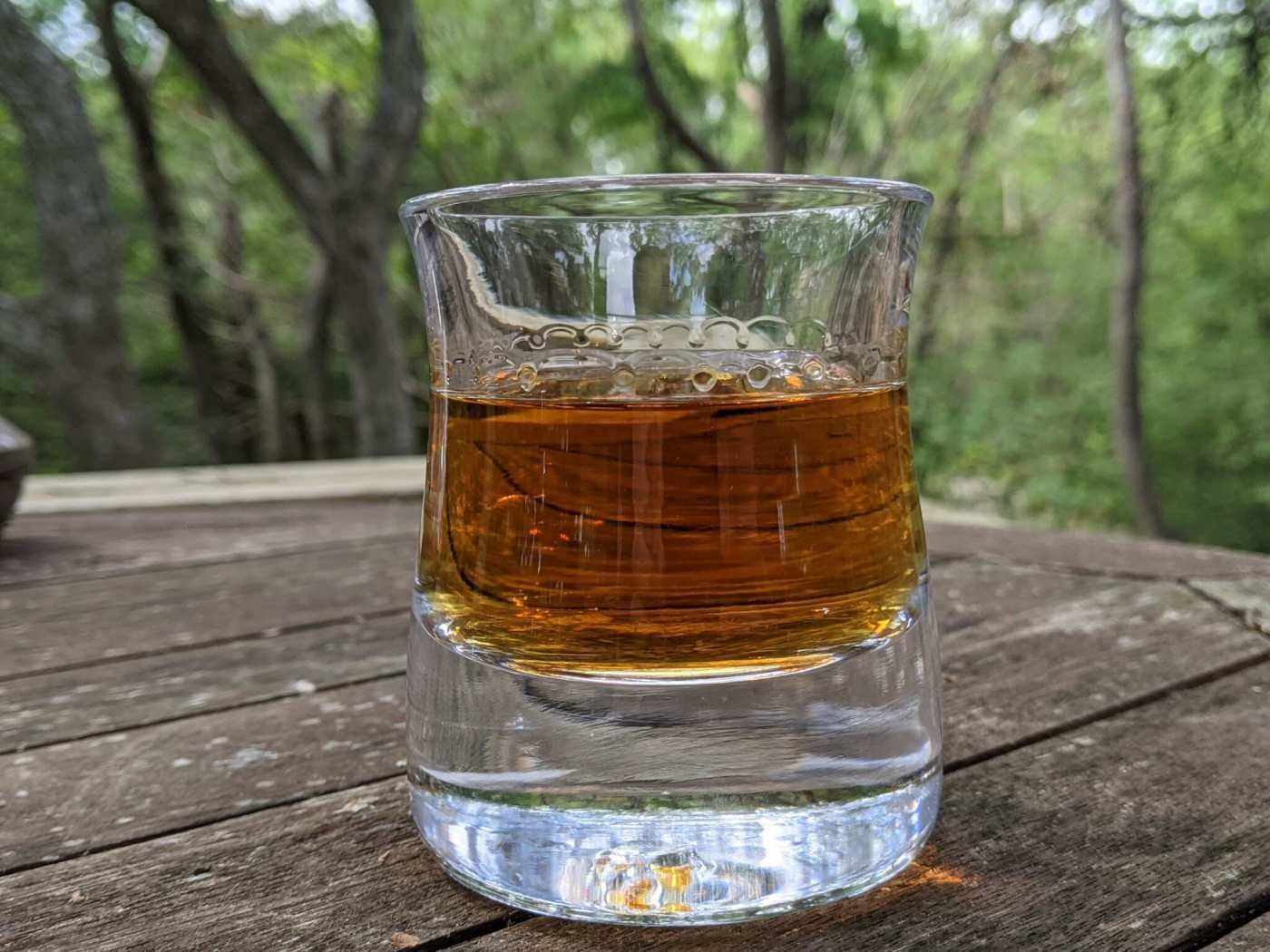

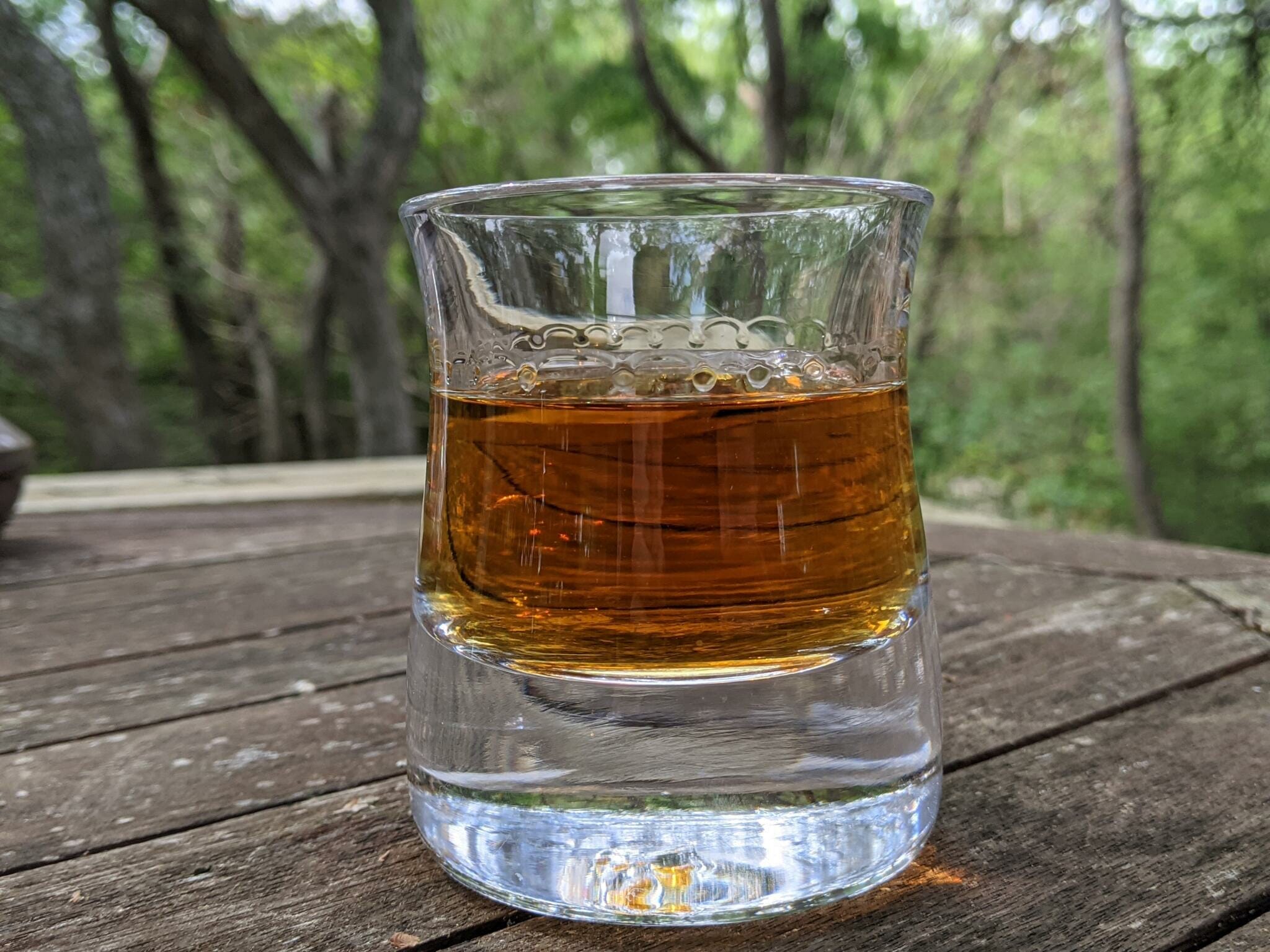
Rye is interchangeable, but not really.
Same But Different is a series that explores and simplifies cocktail ingredients and recipes for the home bartender – just like me.
My aim is to help you understand spirits – and other ingredients – and evaluate the available choices so you can focus on making a cocktail that you will enjoy.
But, with so many different spirits, liqueurs, liquors, mixers, and more, it can be overwhelming to decide where to start… and when to stop.
“Do I need to stock every bourbon mentioned in my home cabinet? Does it really make a difference which juice I use? How precise are the amounts listed? Do I need a microgram scale???” So many questions. When I started, I had the same list.
Do the differences really matter is the big question. In short, sometimes it does – but often it does not. As with many things, it’s all a matter of your taste.
Rye
American Rye is a broad category. Almost all “brown” liquor is Whiskey, Bourbon, or Rye. In truth, all three are whiskeys, but the basis is different.
Whiskey, whether American, Scottish, Irish, or another region, is traditionally distilled from grains. American Whiskey distilling started with Corn – for practical reasons. Americans produced a LOT of corn. Not all can be preserved for sale, and the price changes depending on market conditions. Historically, when the crop was large, and the price low, it was difficult to preserve its value. That is until you transformed it into the “water of life” – Whiskey.
Bourbon retains the corn prevalence of the earliest Whiskeys. It is – by law – 51% corn, plus whatever mix of grains the distiller chooses.
Rye’s “mash bill”, on the other hand, is legally required to be at least 51% rye grains. There are other government criteria, but for our purposes, let’s focus on the distinct flavor profiles offered by the dominance of Rye grains.
Quoting from a Wikipedia article “Rye grain is known for imparting what many call a spicy or fruity flavor to the whiskey […]. All other things being equal, the character of the cocktail will be drier (i.e., less sweet) with rye.”
There are broad differences among Ryes. With 51% (minimum) specified as Rye grain, that leaves much room for creativity in the other 49%. Some common choices are below – NOT every possible option.
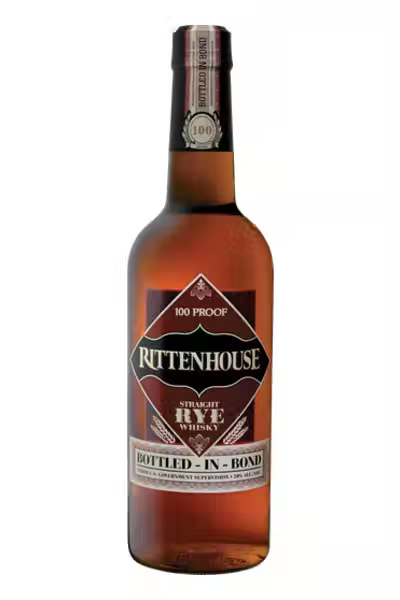 Rittenhouse | 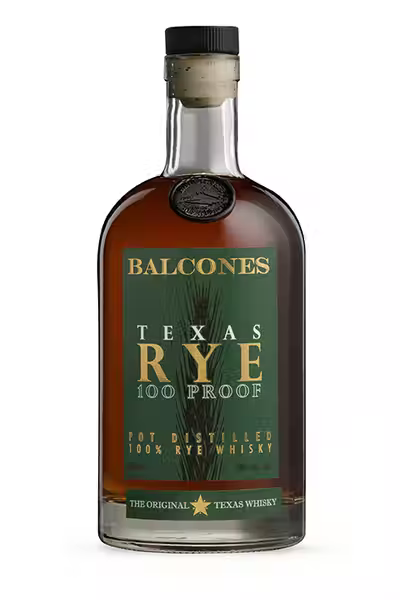 Balcones Texas | 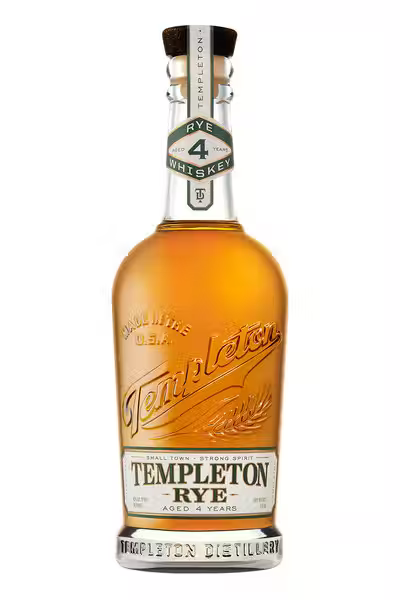 Templeton 4 yr | 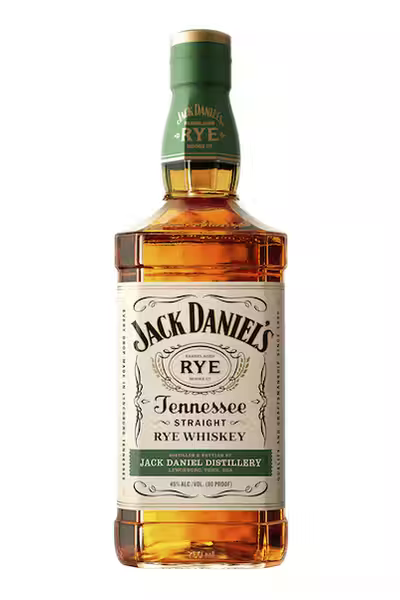 Jack Daniels Tennessee Rye | |
|---|---|---|---|---|
| ABV/Proof | 50% / 100 | 50% / 100 | 40% / 80 | 45% / 90 |
| Mash Bill | ||||
| Rye | 51% | 100% | 95% | 70% |
| Corn | 37% | – | 18% | |
| Malted Barley | 12% | – | 5% | |
| Other | 12% |
Rittenhouse Rye Whisky
A whisky (note the Scottish spelling) with a long meandering history, this widely-available high-proof rye is a workhorse in almost every bar program. Mahogany color, with the aroma of dried fruits, toffee, and sweet peppers. It tastes of clean rich cocoa, citrus, cinnamon, nutmeg, and vanilla with a finish of lingering maple-like spiciness. A classic “Monongahelan style” rye.
Balcones Texas Rye
I was introduced to this unique, 100% Rye mash bill, whiskey by Joey DeChello at an event to introduce Los Angeles to Balcones Distilling, a Texas-based Pot-Still-focused Distillery. The 100% rye mash bill makes a spicy palate, which they describe as “nose [of] soft charred oak, black tea and cracked pepper [that] open[s] up to fruit and chocolate covered cherries; taste[s] [of] creamy buttery toffee, building to peppery spice notes with hints of coffee and nuts, [and a] finish [of] peanut butter and dark chocolate.”
Templeton Rye 4 Year
With “family connections” that extend back to the Prohibition era, this mid-west-produced rye is closer to a “Maryland Style” rye. The Distillery describes the aroma as “dry and grassy, with Christmas spice.” The “deep amber color, lingering and slightly chewy” body brings flavors with a “hint of caramel, butterscotch, toffee, and allspice” and a finish with “wonderful balance, clean and silky smooth. Starting about 2022, this Rye will again be distilled back in its hometown of Templeton, Iowa – keep an eye out for the change!
Jack Daniels Tennessee Rye
A recent addition to the Brown Foreman Distillery family of whiskeys, the Tennessee Rye is a moderately high 70% Rye “mash bill.” The “nose” has been described as a “commanding presence of cherry, banana, hay, and custard“, followed by a palate of “somewhat sweet and spicy as […] expected with drops of honey, charred wood, vanilla, and anise” and a finish with “a bit of wood influence on the end, but it’s mostly a a sweet and spicy affair.”
The Recipes
What do the numbers actually mean to a cocktail enthusiast? In the grid below are two common and one uncommon recipe to try as you explore Rye.
You’ll find that you can make most of the drinks below with nearly any Rye you can get your hands on. Granted, it may not be exactly the same, but even a little different, it will still be a great cocktail. These are just examples to help you to appreciate the differences and to let you choose which to stock, and to make cocktails to your liking.
| Ingredients |  Fancy Free | 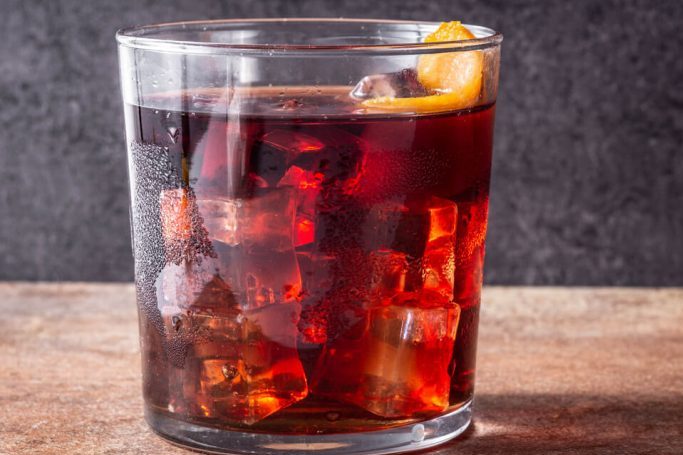 Boulevardier | 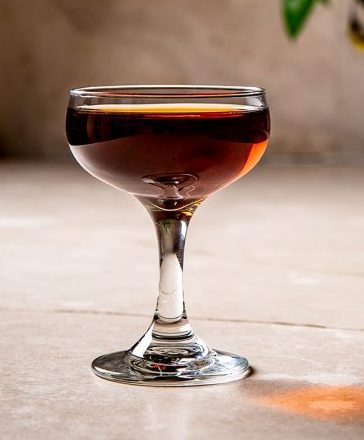 La Vina |
|---|---|---|---|
| Rye | 2 oz | 2 oz | 1 oz |
| Sweet Vermouth (Cocchi Vermouth de Torino) | – | 1 oz | – |
| Campari | – | 1 oz | – |
| Solera Sherry (Lustau) | – | – | 1 oz |
| Amaro (Nonino) | – | – | 1 oz |
| Maraschino (Maraska) | 1/4 oz | – | – |
| Bitters, Orange (Regans) | 1 dash | – | 1 dash |
| Bitters, Angostura | 1 dash | – |
Fancy Free Tasting Notes
Rittenhouse Rye
Spicy tones dominate, supported by Maraschino and Ango. Overall a light mouth feel, but not thin. Cherry comes across in the spice profile. Dry, almost to bracing. The bouquet carries both rye & Angostura notes. When slightly diluted it transforms sweeter and fuller, bringing up lots of baking spices
Balcones Texas Rye
Balcones in this recipe does not have as full mouth feel as the above, and allows a “hotter” alcohol burn to appear. A dry, roasted flavor with a bit more toast comes through. Cherry fills out the spice profile for a more complex profile, yet is still buried in the spices. Overall, Balcones is very, very dry. It feels unbalanced in a Fancy Free, so you may want to play with proportions when you try it a second time (and why wouldn’t you? 😉)
Templeton Rye
This combination is light, and sweet, with a decent mouth feel. Oddly, the spice profile seems to come only from maraschino and Angostura. A light whiskey flavor comes through – nice, but not challenging. Slightly “hotter” alcohol presence than when Rittenhouse or Balcones is the main spirit. Respectable, but not remarkable. Comfortable and appropriate for a cocktail program, if not particularly memorable or unusual. Most patrons will leave the bar thinking “Nice.”
Jack Daniels Tennessee Rye
Unfortunately, “harsh” is the likely first impression in this variant. This rye comes across as raw whiskey with sugar added. There are tones of baking spice, but no fruit – just an impression of dry. Dry, like desiccated fruit. Somewhat similar to JD’s “Old Fashioned 1860” template: whiskey with a little modifier.
Boulevardier Tasting Notes
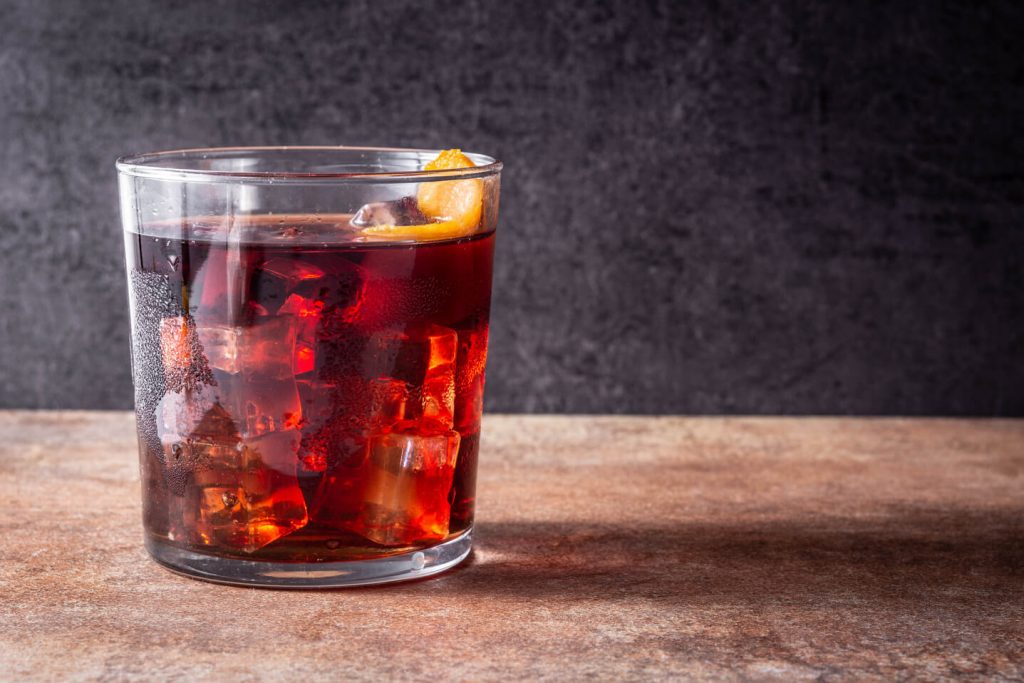
Rittenhouse Rye
Beautiful notes of spicy, sharp caramel. It holds Campari’s bitter quality back a bit, as well as the sweetness of the vermouth. The vermouth and Campari are modifiers to this Rye, playing well together for a rich, rewarding conclusion. This is a Boulevardier that stands out.
Balcones Texas Rye
Balcones in a Boulevardier contribute to a spicy and bright cocktail, with clear, slightly burnt caramel notes. The vermouth’s richness and Campari’s bitterness round out the cocktail and sit comfortably below the prominent Rye flavors. The Boulevardier is a great foil for this bold Rye.
Templeton Rye
Templeton is the lowest ABV of the group; still, it’s no less sharp in this recipe. In this version, the Campari presents much more prominently. While the taste and texture reveal a very light caramel, there is no noticeable “rye spice.” Any sweetness is distinctly from the vermouth. This is a pleasant, comfortable cocktail to serve and would be a good addition to any bar program but it isn’t particularly distinctive in the archetype.
Jack Daniels Tennessee Rye
Here, the Campari dominates, possibly because it accents this rye’s sharper edges. The rye is too simpatico in this combination, so all that lingers is vermouth and Campari, though a slight dilution can help smooth it. If your hope for a Boulevardier is to accentuate the vermouth and Campari rather than compliment them, then Jack Daniels Tennessee Rye is a good choice.
La Vina Tasting Notes
Rittenhouse Rye
The La Vina is simply a lovely drink. It delivers flavors of warm, roasted nuts. It’s light and sweet on the palate yet follows with a lush, full flavor. A La Vina with Rittenhouse is a personal favorite of mine, albeit NO “whiskey burn.” Despite the higher ABV, it’s really quite gentle.
Balcones Texas Rye
With the Balcones 100% rye, spiced nut notes are very forward on a light mouth feel. The dominant note is very clearly whiskey, yet it is still balanced. At first, it may be a little challenging, but it is very distinctive and memorable.
Templeton Rye
Like other Templeton combinations, this is very sweet and smooth. Very slight nut butter hints on the palate. The orange bitters are prominent in the lingering spirit. This is a very comfortable drink for any bar program – again, not remarkable.
Jack Daniels Tennessee Rye
Here, the JD Rye is balanced, so the drink is lightly nutty and warm. Rye, sherry, and amaro create flavors of candied nut. There is some spice cookie flavor and a NICE tingle at the back of the throat. It’s a very light mouth feel, but not transparent – there is just enough to give it body. This is a great recipe for Jack Daniels Tennessee Rye.
So what are YOUR goals?
Honestly, any of these – and other – ryes will be a great addition to a bar. Use what you have to get started on your choice of a rye-based cocktail.
When selecting rye for your home bar, you want to choose what best represents your taste and possibly your guests. I personally like distinctive spirits, so I always stock Rittenhouse and Balcones and try to grab some Templeton and JD Tennessee Rye when I can. Your approach may be more focused than mine. If you fancy a more “comfortable” home program, then – honestly – Templeton is your bet. No pressure, but you will have to decide what the point of your program (home, bar, or restaurant) really is.
Each rye has a definitive profile and can serve a distinct purpose. For example, Leandro DiMonriva (The Educated Barfly) uses the Jack Daniels Tennessee Rye in his “Tennessee Mai Tai.” It isn’t the same without it!
So Many Cocktails, So Little Time
Did we pique your curiosity? Did we get your taste buds all in an uproar? If yes, then GOOD. That’s our mission.
Hi there, We’re Tracy “Ty” Hall and Lisa “Lulu” Hall. We drink adult beverages.
We absolutely love food and drink. We think the best table at a restaurant/bar is – where else? – at the bar. For us, one of the best parts of our weekend is watching someone behind the stick move at lightning speed, mixing and shaking – especially when they are concocting something new and delicious.
Over the years, we’ve made friends with so many bartenders and restaurant managers, and eat/drink establishment owners, we thought it was time to share the adventure. We started our Instagram channel (follow us please) in 2019 and pivoted our blog this year from food to (mostly) all cocktails.
So glad you found us! Now comes the big pitch. We want to feature you and your cocktail on our blog. Are you a bartender with a fantastic recipe you want to talk about? Are you a bar manager with an amazing story? Just leave a comment below.
 Salt, Sweet, Spirits.